
REEV, the extended-range hybrid: how it works and who it is for
A petrol engine that never turns the wheels. How a REEV works, how it differs from an ordinary plug-in, what range it really has, and who should choose one over a pure electric car.
- electric, typically
- 200–300 km
- combined, with petrol
- 1,000+ km
- links between engine and wheels
- 0
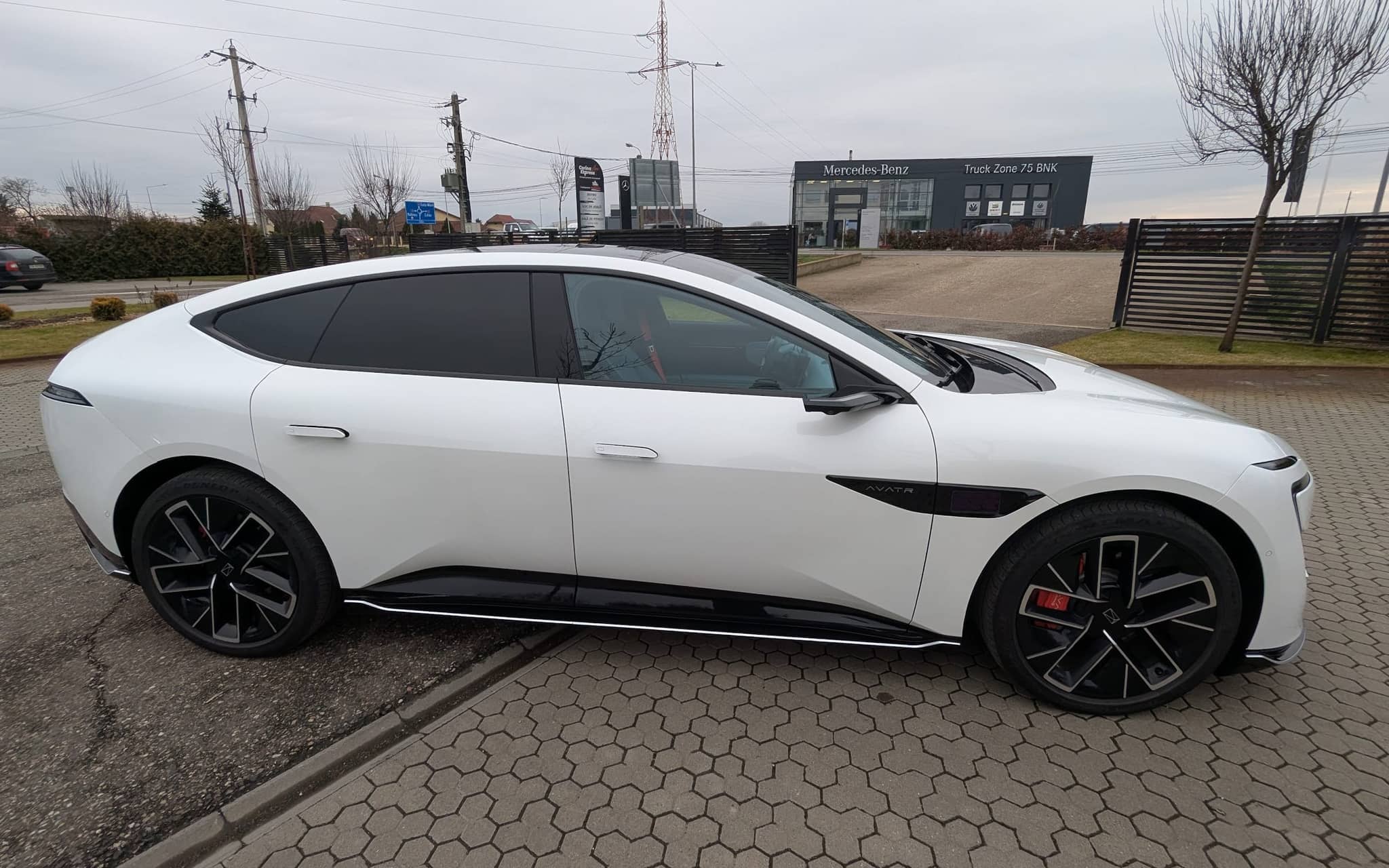
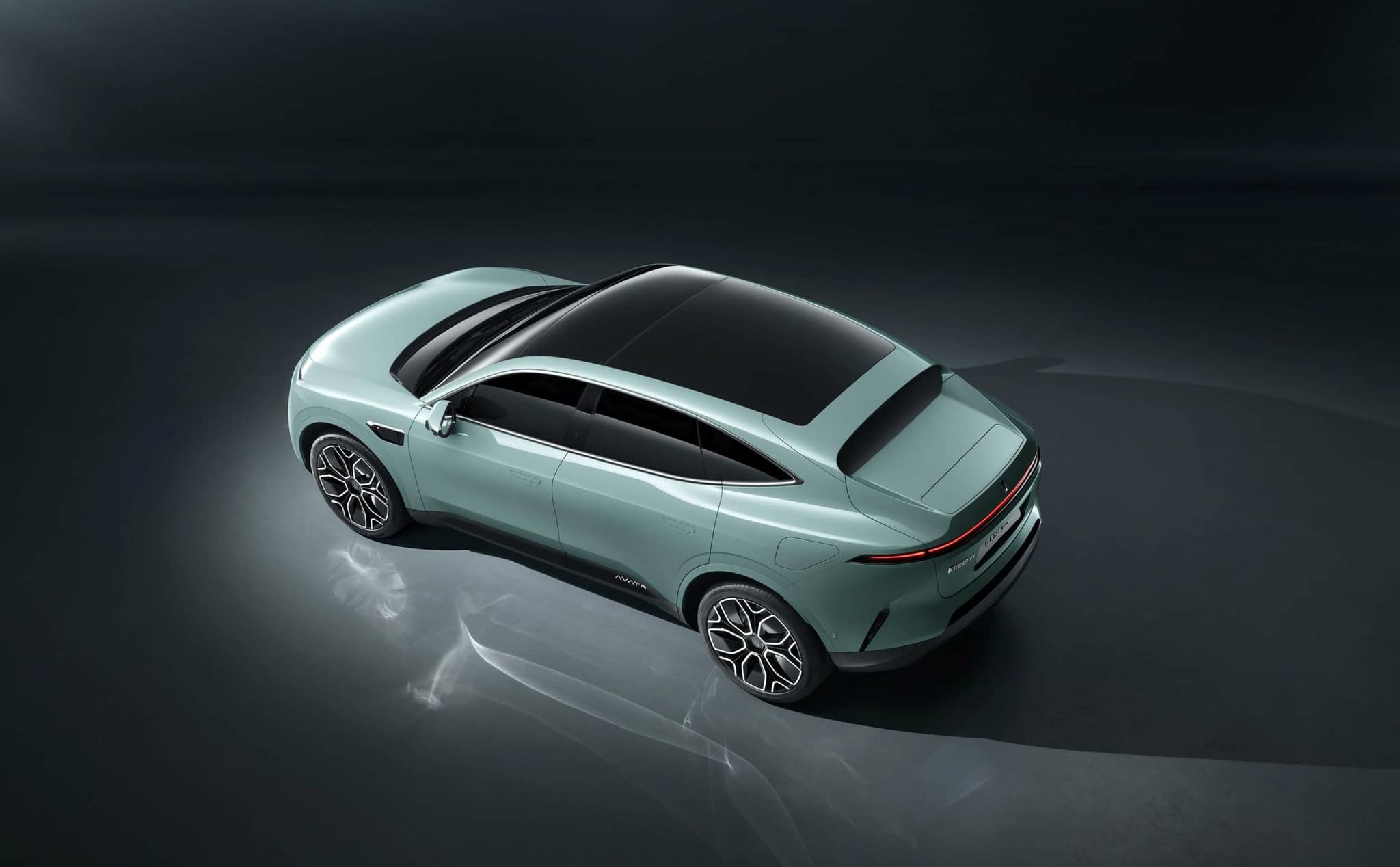
Half the cars on this site are REEVs. The name comes from range extender: an extended-range hybrid. It is the most frequently misunderstood drivetrain on the list, so it deserves a whole article.
What the petrol engine does
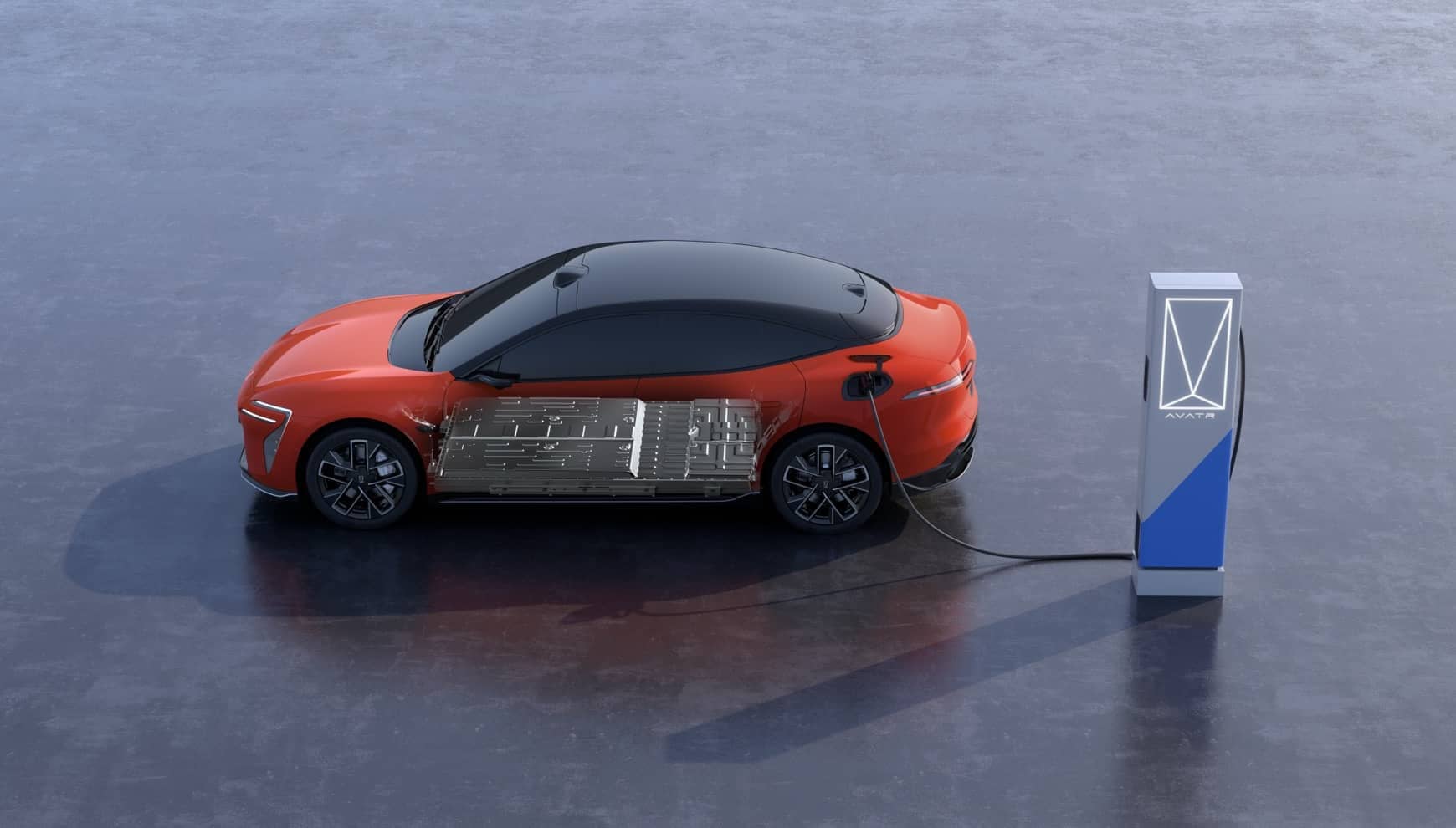
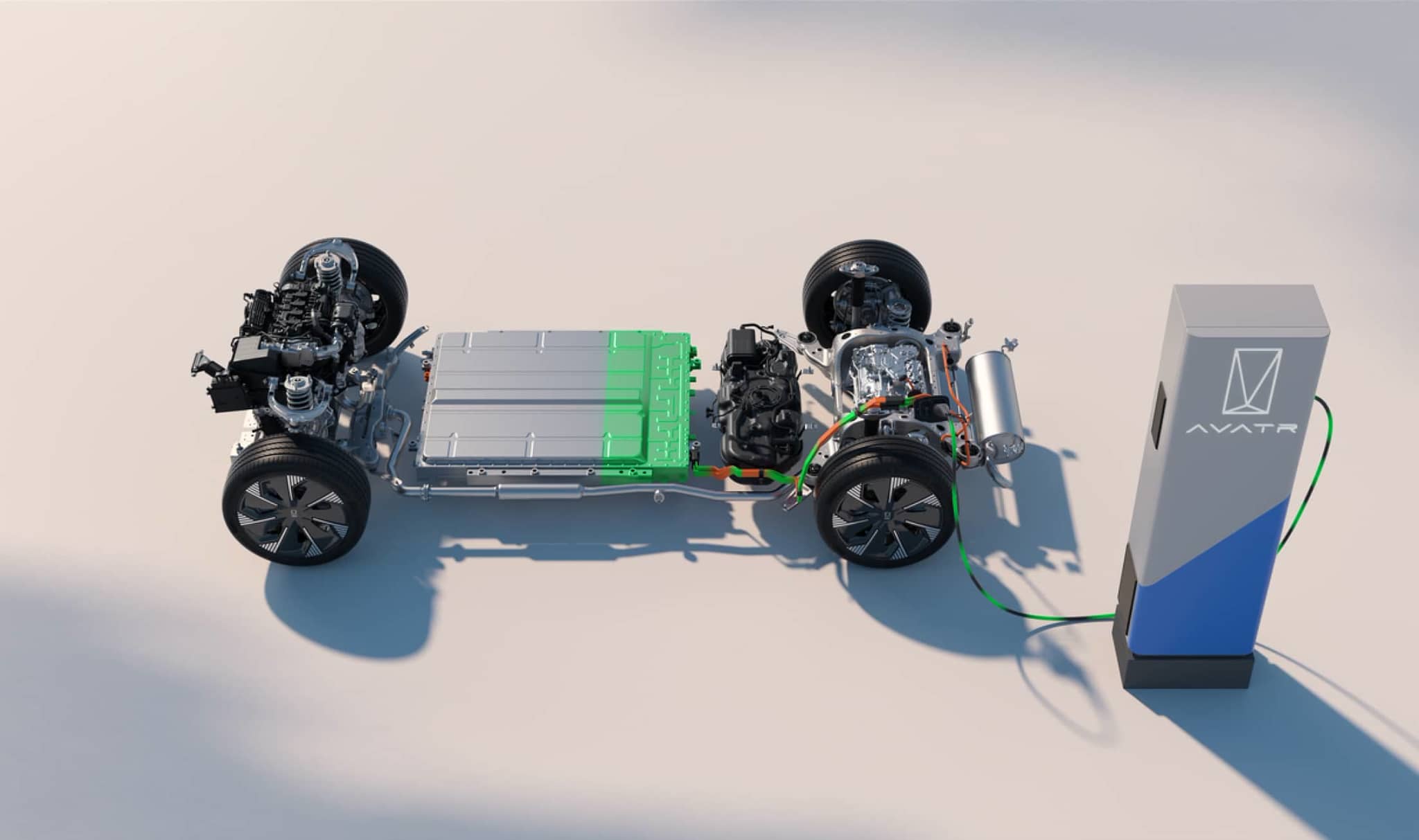
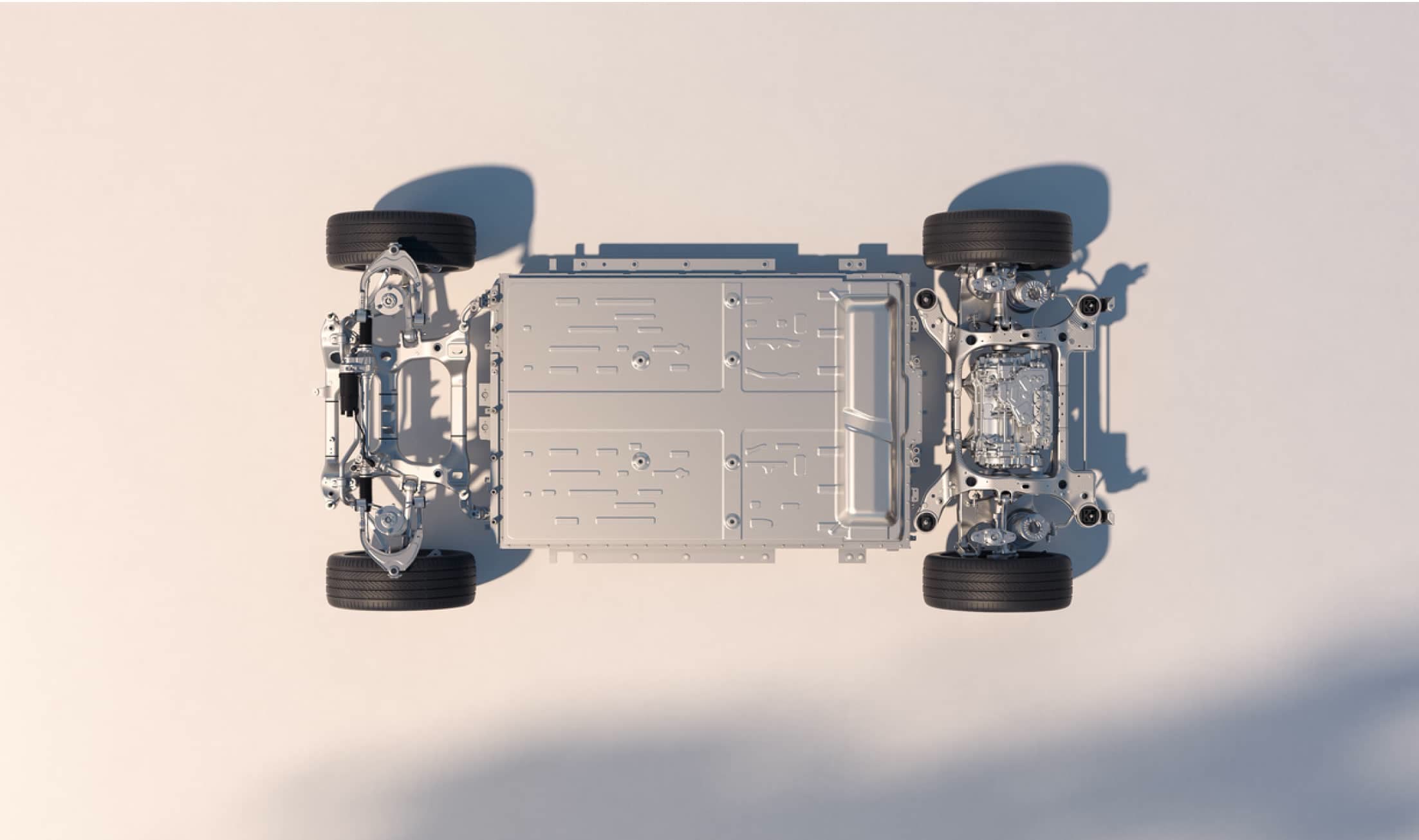
Nothing of what it does in an ordinary car. It does not turn the wheels. It is connected only to a generator: when the battery drops below a threshold, it starts and produces electricity, which goes into the battery and the electric motors. The wheels are always driven electrically.
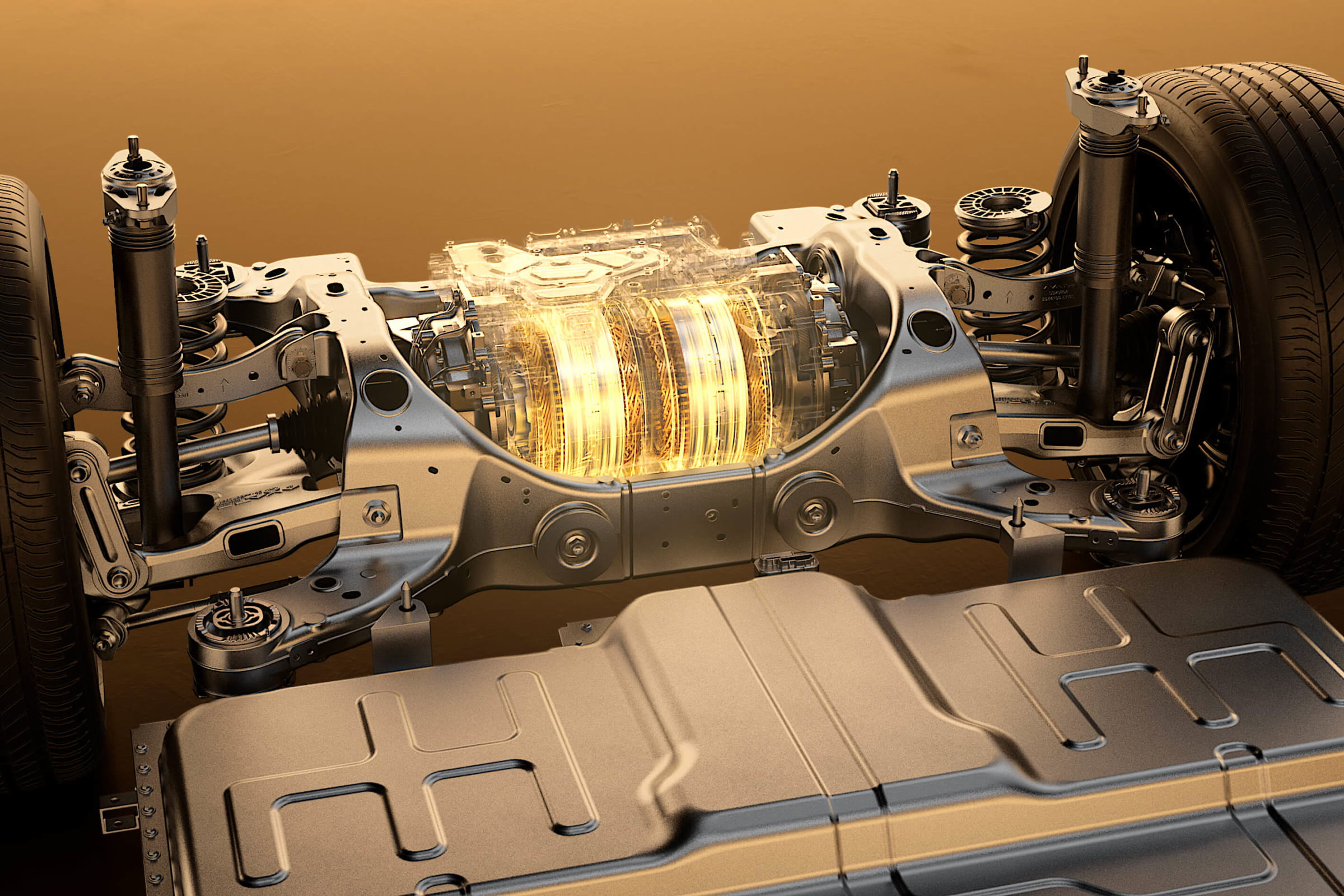
In practice, a REEV is an electric car with a generator on board. That is why it drives like an electric car — instant torque, quiet, a single gear — and why the combustion engine is small and simple: it needs no gearbox, needs no great power, and always runs in its optimum range, at constant revs. On the AVATR, it is a 1.5-litre engine that does nothing but spin a generator.
How it differs from an ordinary plug-in
On a classic plug-in hybrid, the combustion engine and the electric motor both push the wheels, through a complicated gearbox. When the battery runs flat, the car becomes a petrol car, with everything that means for consumption and for how it drives — and usually with a combustion engine undersized for a heavy car. On a REEV, when the battery runs flat the car stays electric; it simply has somewhere to draw electricity from.
The difference shows on the motorway with an empty battery: a tired plug-in hauls on its combustion engine through the gearbox; a REEV drives exactly as it did at the start, with the generator humming away somewhere up front.
The range, honestly
- Electric: REEV batteries are smaller than those of a pure electric car — 39 kWh on the AVATR 07, for instance. That usually means 200–300 km of electric range in the CLTC cycle, less in winter. For a daily commute and city driving, it is enough without ever starting the generator.
- Combined: with a full tank, the figures pass 1,000 km. That is the big number on the spec sheet, and it is true — but it involves petrol. About cycles and figures.
- Consumption with the generator running: usually 6–8 litres per 100 km for a two-and-a-half-tonne car. It is not the consumption of an electric car, but it is not that of a petrol SUV of the same size either.
Who it is for
For someone who wants an electric car every day but does not want to plan a holiday around charging stations. For someone with no socket at home who cannot charge daily. For someone who often drives long distances in areas where fast charging is rare. For someone not yet ready to give up the petrol station as a safety net — which is a perfectly legitimate reason.
Who it is not for
For someone with a socket at home who rarely leaves the county: a pure electric car is simpler, cheaper to maintain and, in the same class, has a bigger battery. The generator is one more component needing oil, filters and servicing — not much, but not none. And it is one more component that can fail, in a car with no official service network. Where it gets repaired.
What we write on the card
"REEV / hybrid (extended range)", not "hybrid" and not "electric". And for range, when the model publishes the electric figure separately, the card shows that one — because only that compares with an electric car. The combined figure is on the model page, marked "with petrol".
Is there something the article did not settle? Write to us; we answer with figures, not with "it depends".