
CLTC vs WLTP: why 1,150 km means something else in China
Two cars, two range figures, two measurement cycles. What CLTC is, what WLTP is, how big the gap is, and why we write the cycle on every card.
- CLTC against WLTP
- 15–25 %
- ZEEKR, HONGQI
- WLTP
- AVATR, VOYAH, XIAOMI
- CLTC
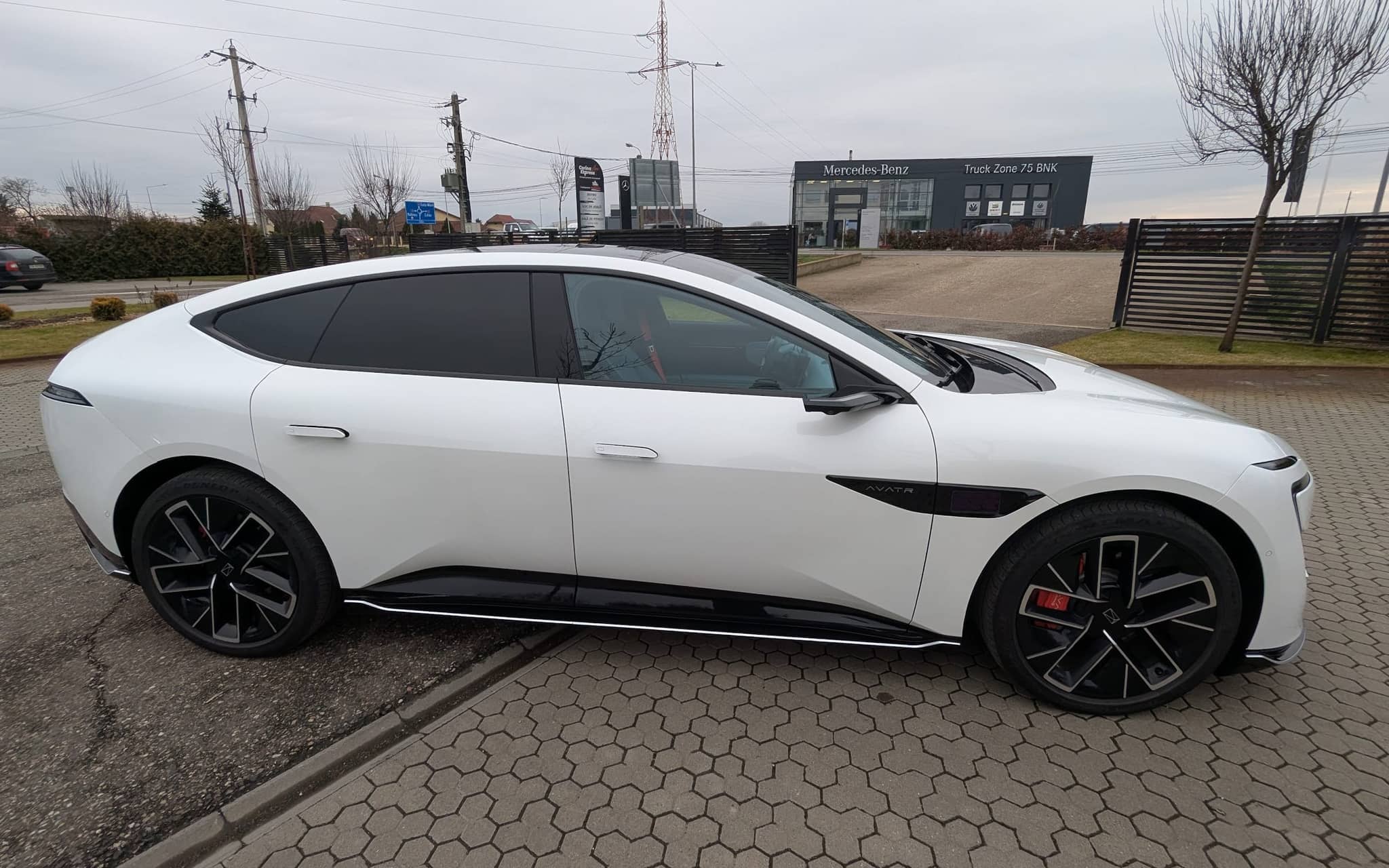
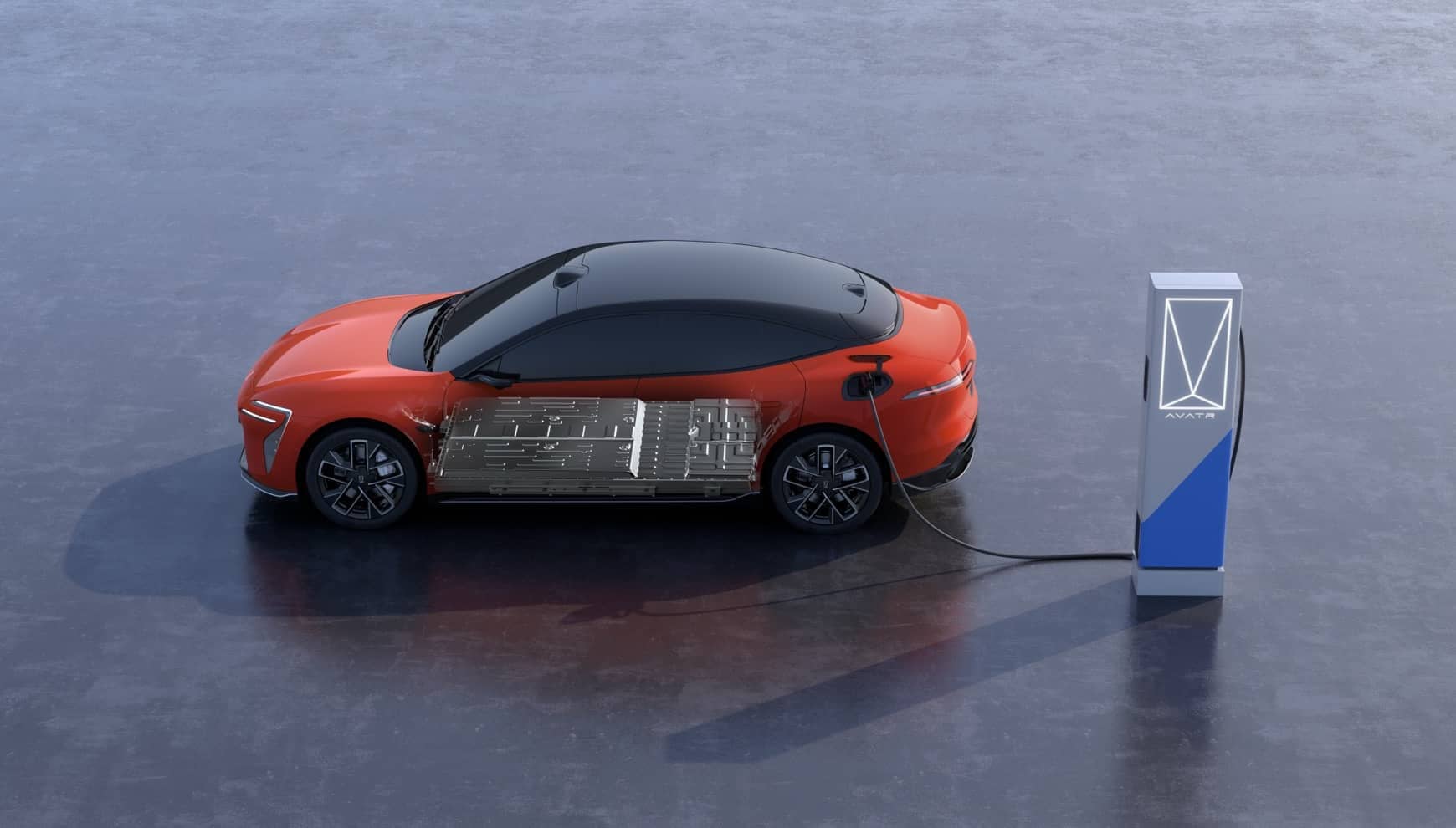
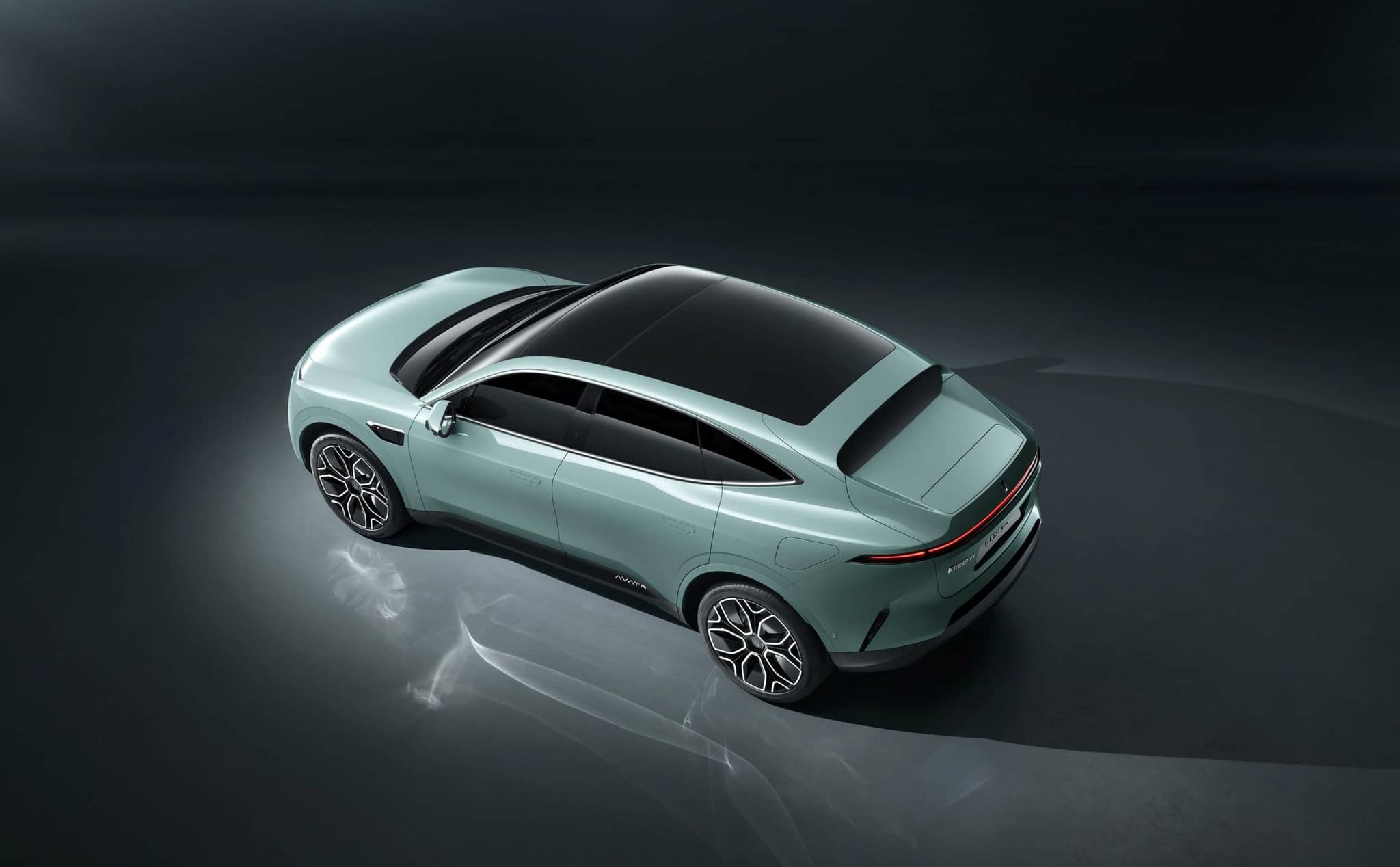
The card for an AVATR 07 says "1,150 km CLTC". The one for a ZEEKR 001 says "620 km WLTP". Anyone who compares those two numbers without reading the letters after them draws a wrong conclusion twice: once about the AVATR, once about the ZEEKR. This article is about those letters.
What the cycles are
Range is not measured on the road but on a rig, following a protocol: speeds, accelerations, stops, temperature. The protocol is called a cycle, and every market has its own.
WLTP is the European cycle, mandatory for type approval in the Union since 2018. It uses higher speeds — up to 131 km/h — sharper accelerations and fewer stops, so it consumes more and produces lower figures.
CLTC is the Chinese cycle, in force since 2021. It has a lower average speed, a top speed of 114 km/h and more stops — it resembles the dense urban traffic of China, where it was written. It produces higher figures for the same car.
The gap, on the same battery: CLTC comes out 15–25% more optimistic than WLTP. A car with 700 km CLTC is, in European figures, somewhere around 550–600 km. WLTP is not reality either — it is a rig, not a motorway in winter — but it is a rig we know.
Who publishes what
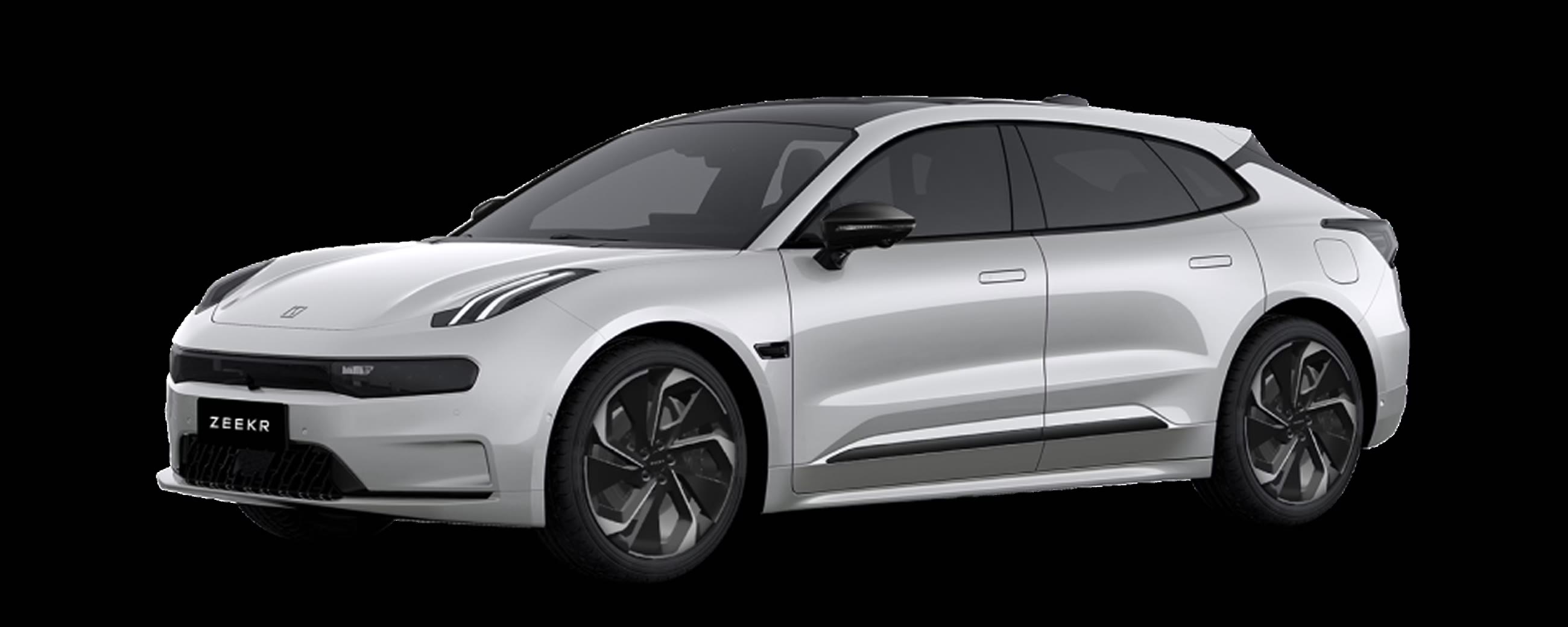
Manufacturers that already sell in Europe publish WLTP, because they have been through European type approval: ZEEKR and HONGQI. Those that sell only in China publish CLTC: AVATR, VOYAH, XIAOMI. It is not a marketing choice, it is the cycle they were approved in. When a Chinese model enters Europe it gets a new, lower WLTP figure for the same battery — and every time, articles appear wondering why "the range has dropped". It has not dropped; it was measured differently.
And the extended-range hybrids?
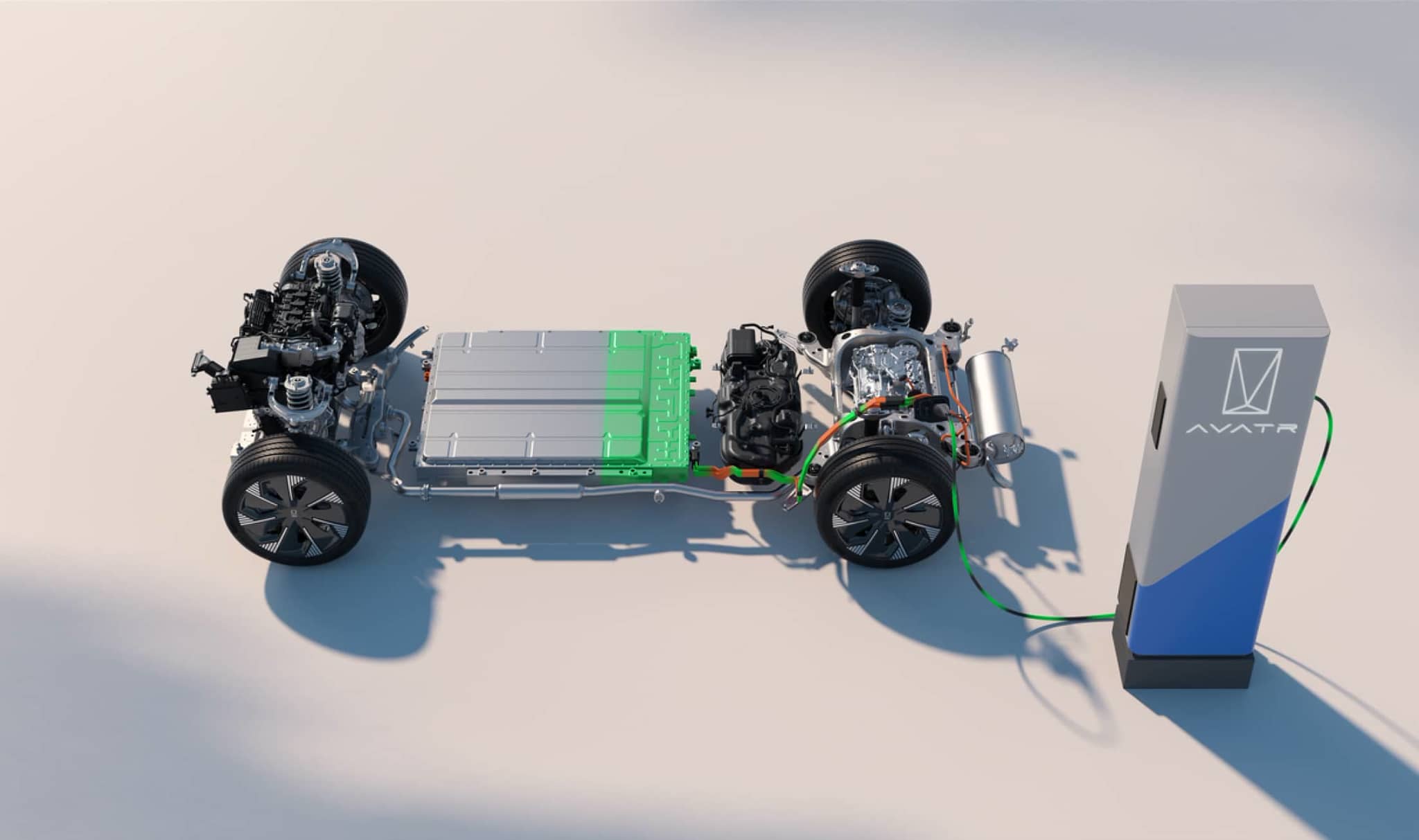
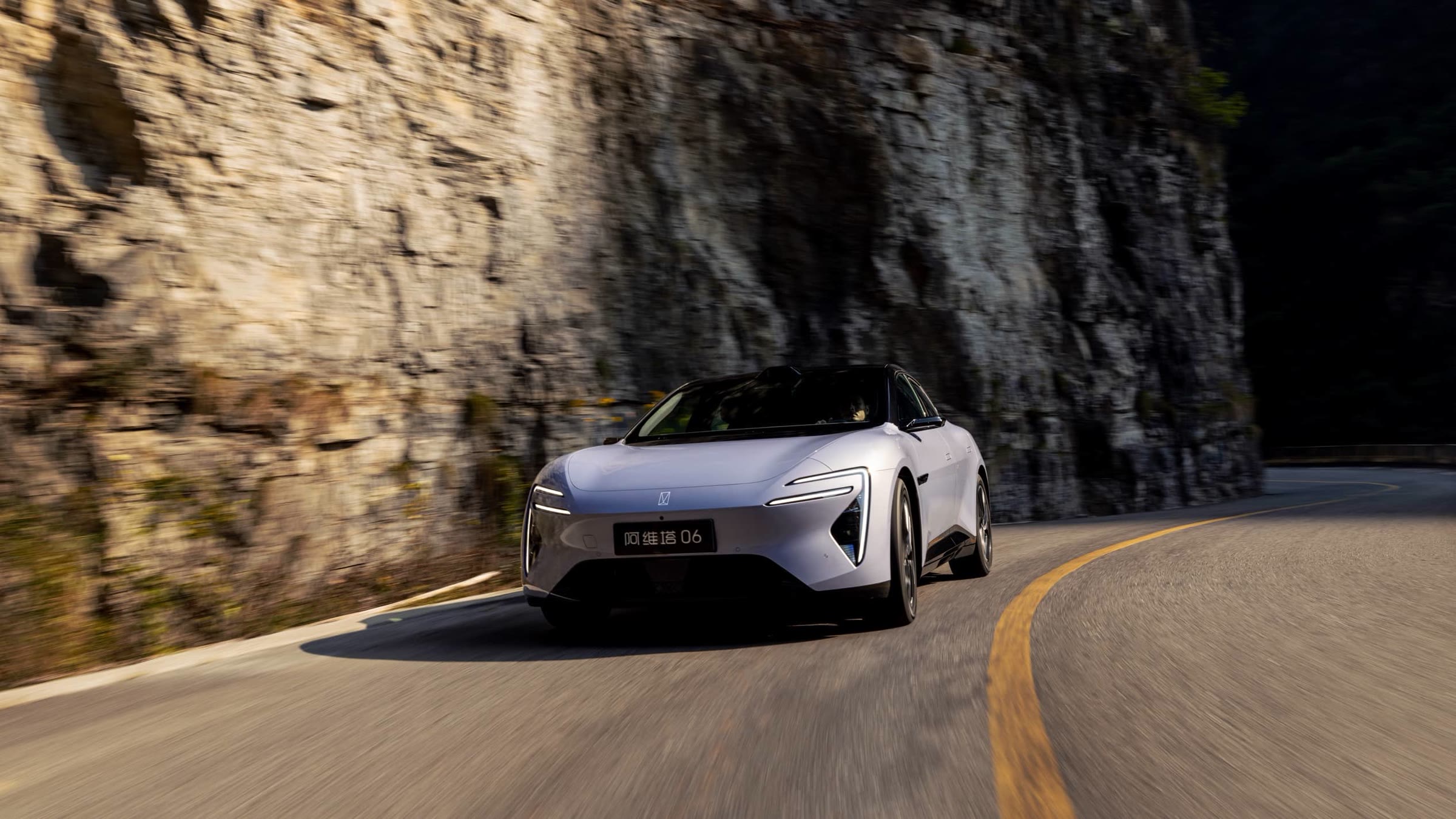
On a REEV, the big number — "1,150 km" — is the combined range: battery plus petrol tank. The pure electric range is listed separately and is much smaller, usually 200–300 km. You will find both on the model page; on the card, when both exist, we show the electric figure, because only that compares with an electric car. How a REEV works.
What matters more than the cycle
Real range depends on you more than on the rig:
- Speed. At 130 km/h on the motorway, any electric car does about 60% of its WLTP figure. Air resistance rises with the square of speed; at 110 km/h you go noticeably further than at 130.
- Temperature. In winter, a cold battery and cabin heating take 20–30% off. A heat pump — which every model on our list has — reduces the loss, it does not remove it.
- Wheels. Twenty-one-inch rims on wide tyres look good and use more energy than nineteens. The spec sheet is written with the most economical configuration.
- How you drive. Regenerative braking only recovers energy if you let it: brake late and hard and you lose what could have gone back into the battery.
What it means in practice
When you compare two cars on this site, look at the letters after the figure. If they differ, take 15–25% off the CLTC one before comparing. Then take some more off both, for winter and motorway. What is left is what you will see on the dashboard.
We write the cycle on every card precisely so that you do not need this article. But if you have read this far, now you know why.
Is there something the article did not settle? Write to us; we answer with figures, not with "it depends".