

Warranty: what you have, what you do not, and why we say so first
We offer no commercial warranty, and anyone promising you a factory warranty on a car imported individually from China does not know how it works. What that means in money, what risk remains, and how we reduce it.
- commercial warranty
- 0
- in the history report
- 350+ points
- on signing, the rest once you see it
- 30 %
On any dealer's site, the warranty is on the home page. On ours it is under "What we do not do". That is not a layout slip: it is the right order of things when the warranty does not exist.
Why it does not exist
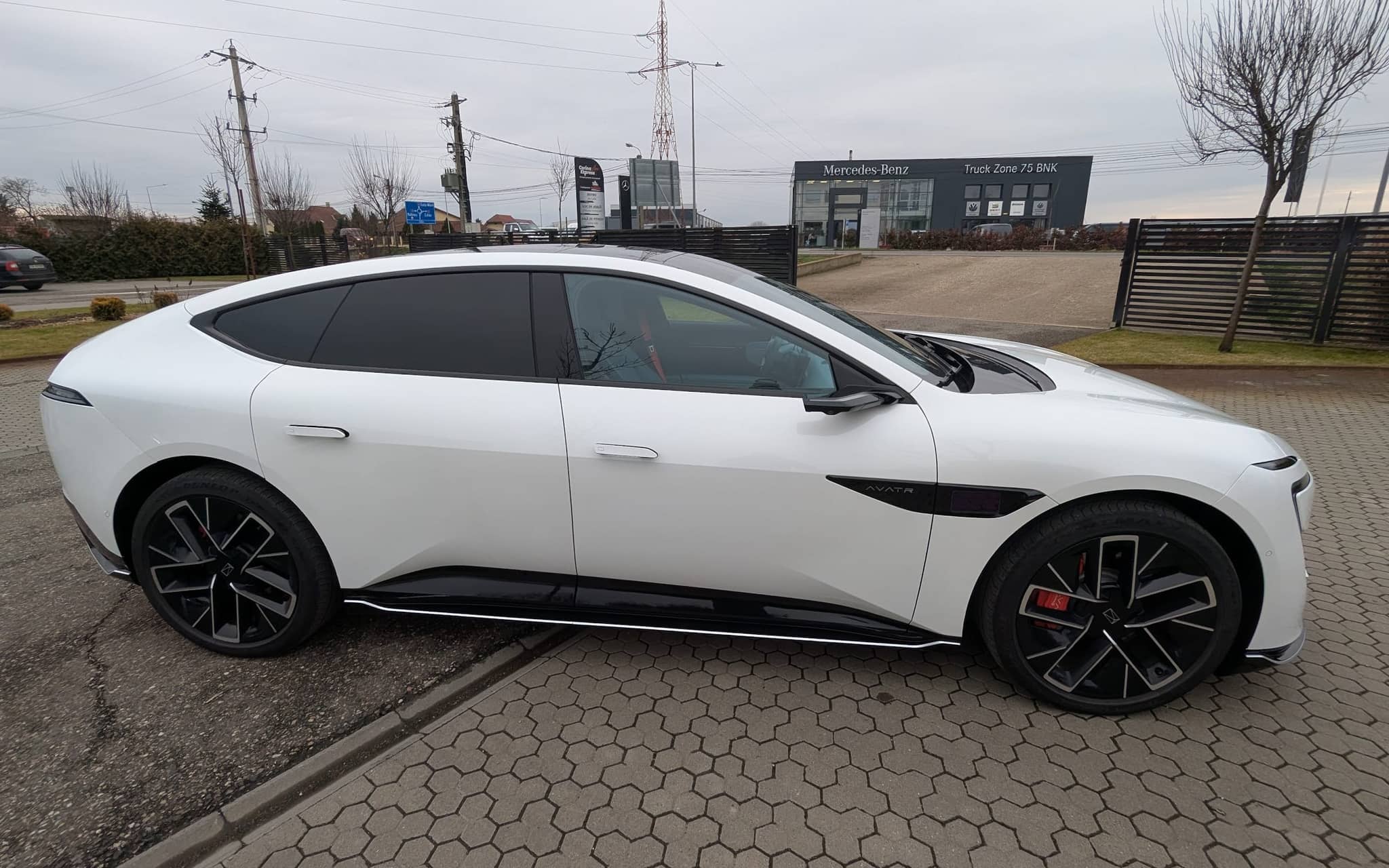
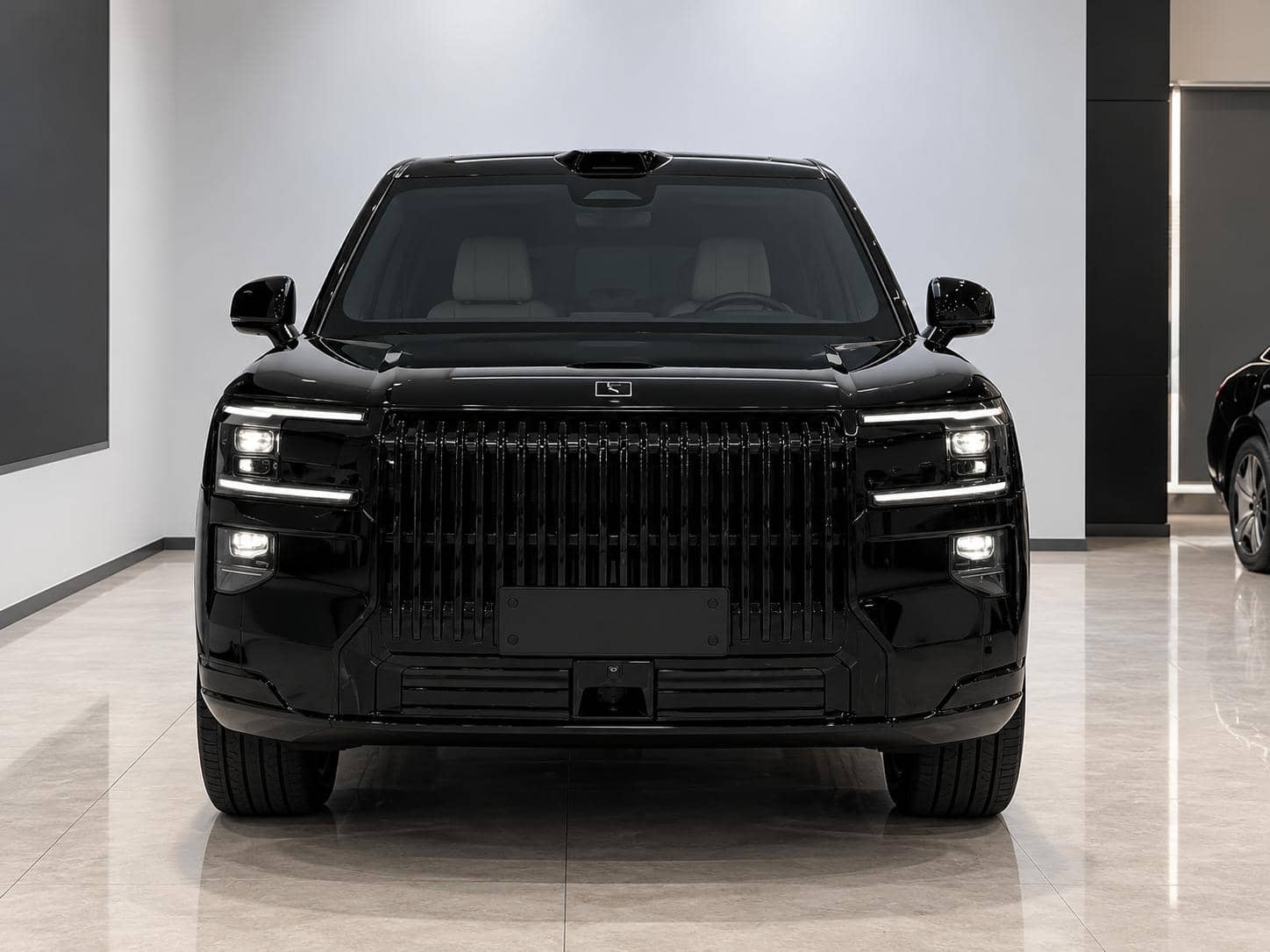
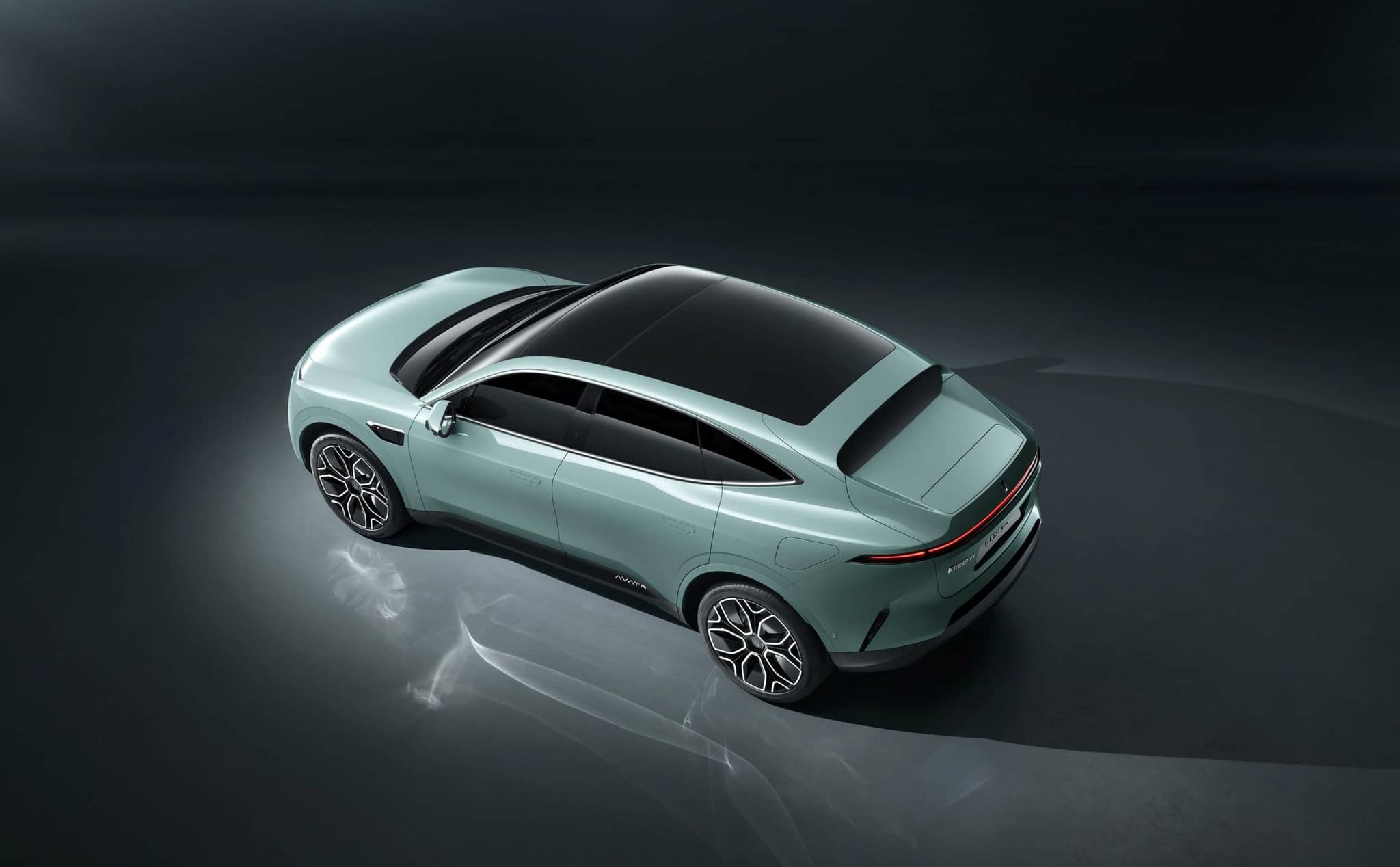
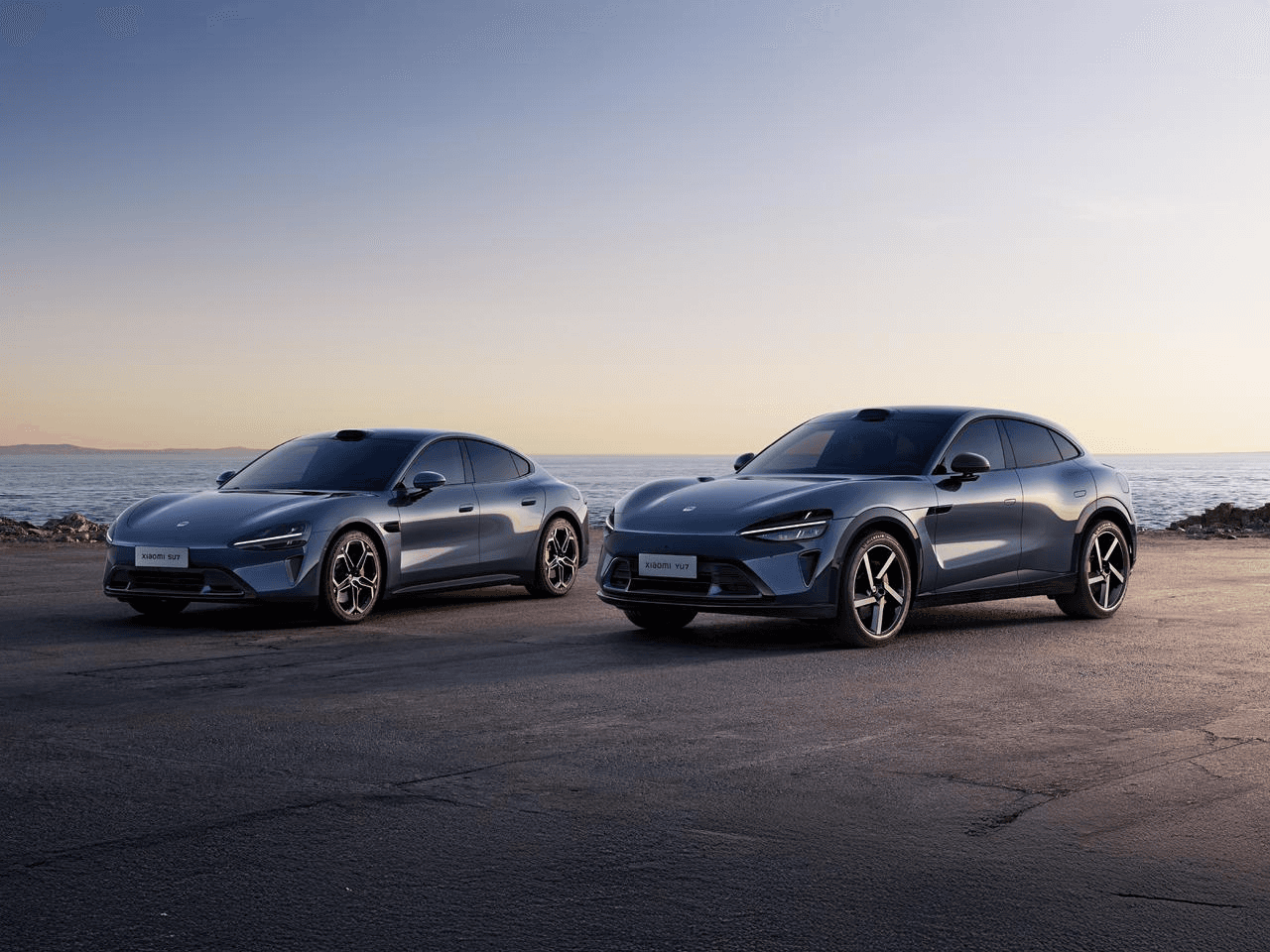
A manufacturer's warranty is honoured through the manufacturer's official network. AVATR, VOYAH and XIAOMI have no network in Europe. ZEEKR has one in a few countries, but their warranty covers cars they sold, in their countries, not a car imported individually from China. Anyone promising you a "factory warranty" on an individually imported car either does not know how it works or is hoping you will not ask.
We are not the manufacturer, so we cannot give a warranty on its behalf. We could sell a commercial warranty — an insurance policy, in effect — but its price would go into the price of the car, and we would rather you knew exactly what you are buying and what it costs.
What it means in money
If something fails, the repair is yours. On consumables, the cost is as on any car. On body panels, it is the price of the part plus the wait. On the battery or the high-voltage electronics, it can be expensive. Where it gets repaired, and how long it takes.
Put that figure next to the difference in price. An equivalent car, new, with a warranty, from a European dealer, usually costs €15,000–30,000 more than a lightly used one imported individually. That difference is your reserve for a repair you will, statistically, probably never need. If the difference is not that large on the model you want, we will say so: buy from the dealer.
What we do to keep the risk small
- Low mileage. Every car has between 500 and 15,000 km. At that mileage the battery and motors are practically new, and the manufacturer's warranty — in China — would still be running, which says something about how the car was treated.
- The history report. For every car we order a Chaboshi report — the Chinese equivalent of CarVertical — covering over 350 points: service, damage, mileage, battery condition. You receive that report, not one for a similar car, before you pay anything.
- You see the car before you pay in full. 30% on signing, the rest once the car is in Romania and you have seen it. How payment works.
- If it fails RAR, you get your money back. The approval risk is ours.
- A check at handover. A partner workshop reads the battery and runs diagnostics before you take the car. If something comes up, we deal with it beforehand — not you, afterwards.
What the law actually gives you
We are a licensed importer, independent of the manufacturers: we find the car, inspect it and bring it in; you are the buyer. We answer for the service — that the car is the one in the report, that it arrives, that it passes type approval — not for the car itself. The contract says so plainly, and it is to be read before signing, not after.
In practice: if the car that arrives is not the one in the report, or has different mileage, or fails RAR, that is our problem and we solve it with your money back or another car. If a sensor fails at 20,000 km, that is yours. The difference between those two is everything you need to know about warranty on an individually imported car.
When it is worth it anyway
When you want a car you cannot buy any other way, and when the price difference against a European alternative with a warranty is larger than the cost of a repair you will, statistically, probably never need. If that is not your situation, we will say so: buy from a dealer with a warranty. We will not take it badly; we will meet at the next car.
Is there something the article did not settle? Write to us; we answer with figures, not with "it depends".